
People
Clear roles and responsibilities. Every metric, priority and action has a named owner, so nothing lives in the gap between roles.
Operating Rhythm
Most strategies do not fail because the thinking is wrong. They fail because the organisation has no reliable way to keep acting on them once the planning day is over. An operating rhythm closes that gap. This guide explains what it is, why it matters, and how to build one that fits your team.
The Basics
An operating rhythm is the structured cadence of meetings, communication, reviews and decisions that keeps an organisation aligned and moving toward its goals. It sets what gets reviewed, how often, by whom, and what each of those moments is meant to produce.
The idea has its roots in Six Sigma, where consistent, well-defined processes connected departments and removed interruptions to the flow of work. It has since been reinforced by systems such as The E-Myth and Scaling Up, which share one belief: businesses run on systems, and systems are run by people.
Think of it as the heartbeat of the business. Steady, predictable, and keeping everything else in time.
Why It Matters
As organisations grow, complexity increases faster than most leaders expect. Without a clear cadence, teams slide into a reactive mode where leaders spend their days resolving urgencies instead of shaping direction. A rhythm gives leaders visibility, gives teams clarity on what matters, and gives the whole organisation a dependable way to review progress and adjust course.
Diagnosis
If several of these feel familiar, the issue is usually a missing or broken rhythm rather than a lack of effort or talent.
The Framework
A rhythm that lasts is built from three parts working together. Many organisations focus only on the second and wonder why the rhythm never sticks.
Clear roles and responsibilities. Every metric, priority and action has a named owner, so nothing lives in the gap between roles.
The cadence itself. The daily, weekly, monthly and quarterly touchpoints that carry information and decisions through the organisation, each with a defined purpose and output.
The habits that keep it alive: honest communication, data over opinion, decisions made and recorded, and the discipline to protect the cadence when things get busy.
The Cadence Stack
Each layer answers one main question and produces one clear output. When every meeting stays in its lane, decisions stop repeating and progress compounds.
Reflect, realign and reset direction for the year.
Strategic priorities, big goals and the story of where the business is heading.
Turn the annual direction into a focused set of priorities and commitments.
Quarterly objectives, resource decisions and cross-functional commitments.
Read trends, evaluate risks and make decisions. A decision meeting, not a status update.
Clear decisions, updated forecasts and named actions.
Keep teams coordinated, align on priorities and remove blockers.
The priorities for the week, visible dependencies and resolved obstacles.
Create consistency and momentum, and surface blockers early.
A quick shared view of what matters today and what is in the way.
Every meeting should have a purpose and produce an artefact. A meeting with no output is just a block in the calendar. Start with the annual and quarterly rhythms, then cascade down.
At Team Level
An operating rhythm is not only for the executive team. Every team benefits from its own version, sized to the work it does. A fast-moving operations team may need a short daily check-in, while a project team may run well on a strong weekly review and a monthly look at trends.
The principles stay the same at every level. Keep each meeting at one altitude. Give every recurring meeting a clear line on what it owns, what it must produce, and the topics that do not belong in it. Connect each cadence to the next, so the weekly feeds the monthly and the monthly feeds the quarterly. And protect the rhythm, because a cadence you keep beats a fuller calendar you abandon.
The Method
List every recurring meeting, report and review across the business, with its cadence, attendees, purpose and time cost. Most organisations find more than they expected.
Rate each one on consistency, value and overhead. Keep what earns its place, and merge or remove the rest. Fewer, sharper meetings usually win.
Every metric, priority and action needs a named owner. Ownership is what turns a review into progress.
For every recurring meeting, write one line: what it owns, what it must produce, and the topics that are off limits.
Make sure each cadence feeds the next, and record decisions as you go: the decision, owner, date, reasoning and next review point.
An operating rhythm is a living system. Revisit it when it stops helping work move, and adjust rather than let it drift back into ad hoc meetings.
Free Resource
A practical worksheet to put this guide into action: map your cadence from annual to daily, name an owner for every meeting and metric, and connect each layer to the next. It's yours free when you get your copy of Reem Borrows' book, Unfollow the Leader.
Watch Out
The Dreem View
You can design a flawless cadence on paper and still watch it fall apart in practice. The reason is almost always human. Rhythms hold when people trust each other enough to raise risks early, communicate clearly under pressure, and follow through on what they own.
This is the part we care about most at Dreem. We help leaders and teams build the self-awareness, communication and accountability a strong rhythm depends on, using tools such as Insights Discovery to give people a shared language for how they work and decide together. The cadence gives the business its structure. The people give it its life.
Where It Fits
An operating rhythm is the bridge between a good strategy and consistent execution. On its own, a strategy is a set of intentions. A rhythm is what carries those intentions into weekly decisions, behaviours and results.
At Dreem, operating rhythm design sits inside our strategy alignment work . We help leadership teams clarify direction, align priorities and build the meeting, decision and accountability rhythms that keep strategy moving, and we develop the leadership behaviours that make a rhythm stick.
Questions
An operating rhythm is the structured cadence of meetings, reviews, decisions and communication that keeps an organisation aligned and executing its strategy. It defines what gets reviewed, how often, by whom, and what each moment should produce.
It keeps strategy connected to daily work. Without one, teams drift into reactive mode, decisions slow down and priorities lose focus. A clear rhythm gives leaders visibility, gives teams clarity, and keeps the business moving between planning cycles.
The terms are often used interchangeably. Cadence usually refers to the timing of the touchpoints, such as weekly, monthly and quarterly. Rhythm refers to the whole system, including who owns what and how each layer connects, so the cadence actually drives decisions and action.
Most teams work well with a short daily check-in for blockers, a weekly meeting for priorities, a monthly review for trends and decisions, and a quarterly session to reset direction. The right mix depends on how fast your work moves. Consistency matters more than frequency.
It is the same idea applied at team level. Each team runs its own cadence, sized to its work, keeping each meeting at one altitude and giving every recurring session a clear purpose and output.
Begin by mapping every recurring meeting and report you already have, then score them on value and overhead. Give every priority an owner, define what each meeting must produce, and start with your quarterly and annual rhythms before cascading down.
A senior leader should own the overall rhythm, often a founder, chief operating officer or department head. Within it, every metric and action has its own named owner, so accountability is shared and clear.
Start Here
You do not have to build this alone. Dreem helps leadership teams design an operating rhythm that fits their business, and develops the people and habits that make it hold.
Book a complimentary consultation to explore how Dreem Coaching & Consulting can help you move from chaos to clarity and create meaningful, measurable change.
You're safe with us. We'll never spam you or sell your contact info.
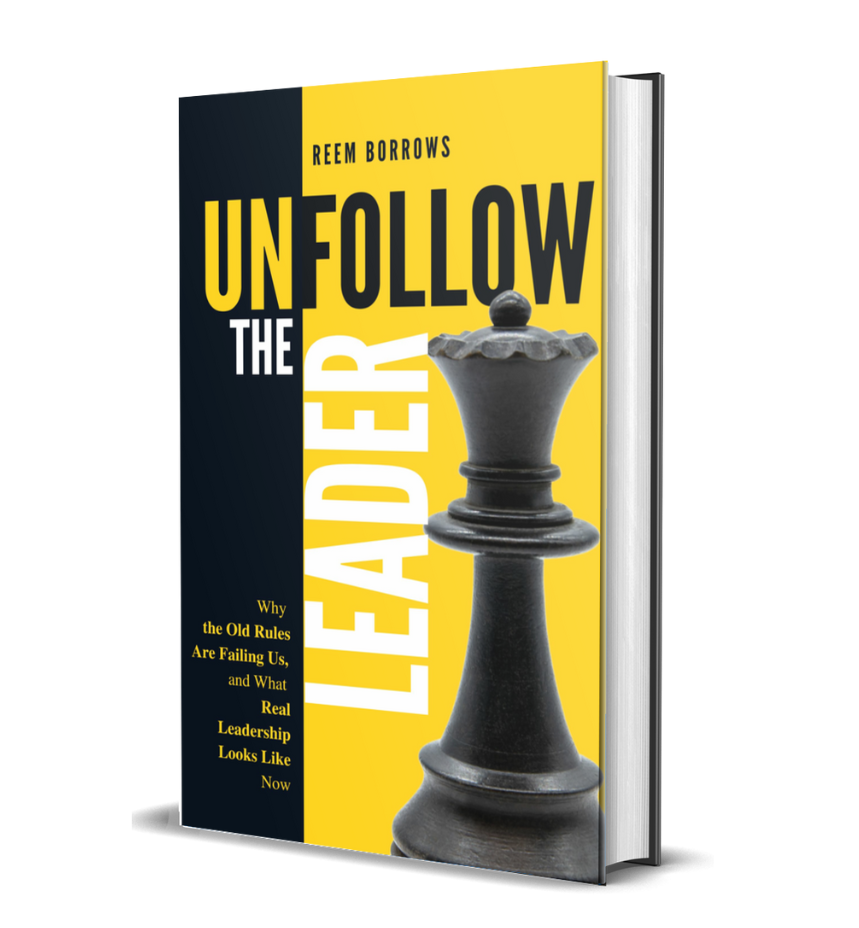
Most leadership advice teaches you how to be followed.
Unfollow the Leader challenges something deeper:
the beliefs, habits, and ego patterns that shape how we lead.
Join the list to be notified when it launches and receive insights from the Dreem leadership community.