Kind or Right? The Leadership Choice That Shapes Conflict
Why intellectual dominance often weakens the very teams leaders are trying to strengthen.
Conflict is an unavoidable part of leadership. Research from CPP Global suggests that employees spend roughly 2.1 hours each week dealing with workplace conflict. Over a year, that adds up to almost an entire month of productivity lost.
But the real cost of conflict is rarely measured in time. It shows up in the slow erosion of trust, creativity, and collaboration.
In many workplaces, conflict becomes a competition for intellectual dominance.
Who has the stronger argument?
Who can prove their point most convincingly?
Yet beneath these exchanges lies a more important leadership question:
Do I want to be right, or do I want to be kind?
Kindness in leadership is often misunderstood.
It is not a weakness.
It is not avoidance.
Kind leadership requires emotional intelligence, the ability to remain composed, curious, and respectful even when disagreement is present.
Research from TalentSmart shows that 90% of top performers demonstrate high emotional intelligence, particularly in how they manage difficult conversations.
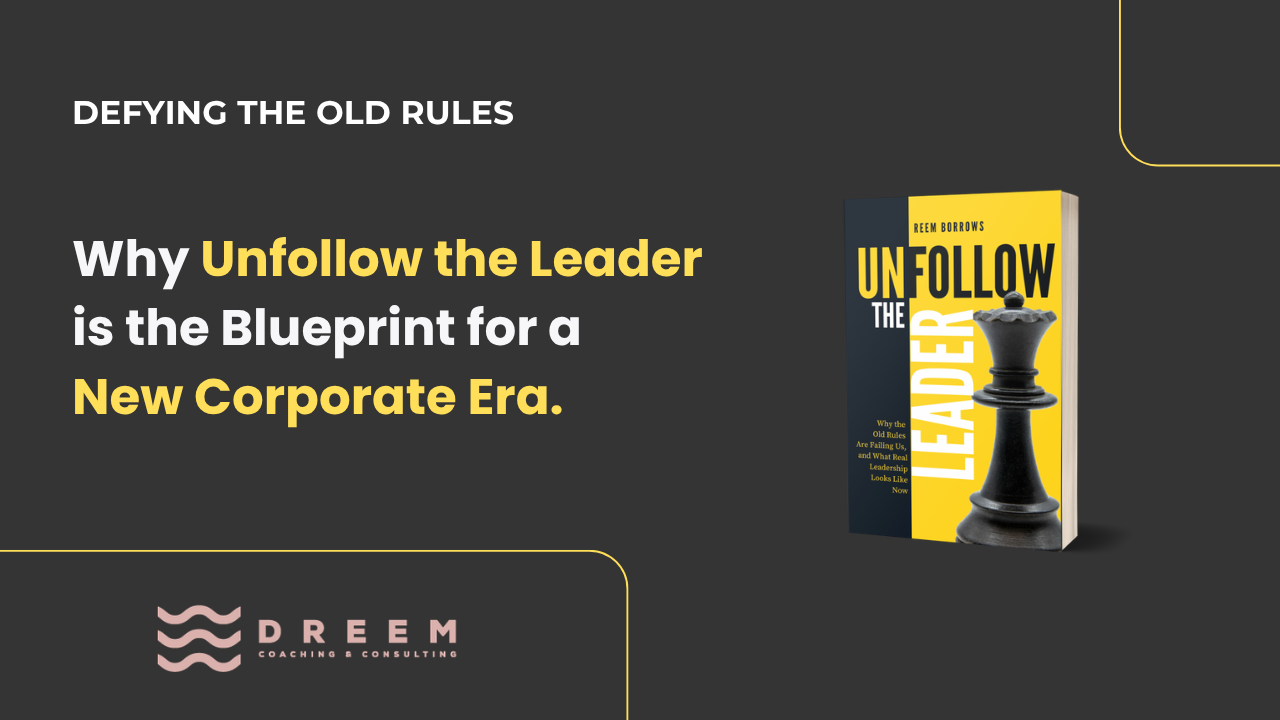
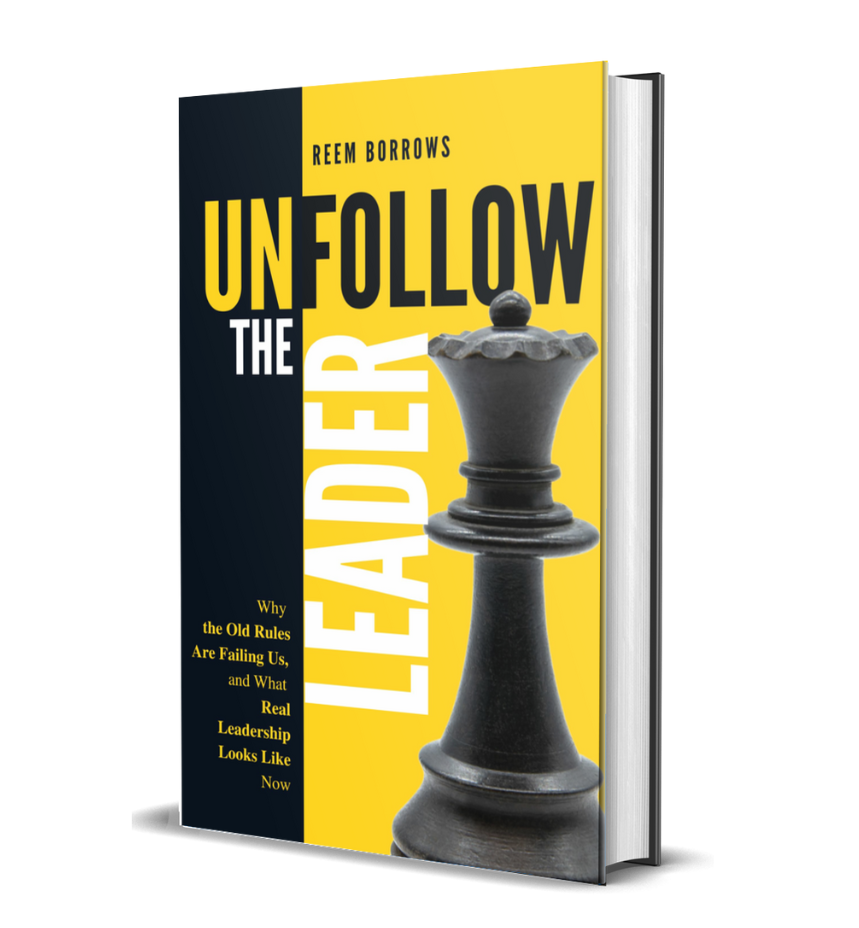
In Unfollow the Leader, we explore how leaders often climb what we call the Ladder of Perception, the mental process where a small piece of information is quickly filtered through assumptions and turned into a conclusion.
- A small piece of information is quickly interpreted, filtered through assumptions, and converted into a conclusion.
- By the time a response is delivered, the leader is often reacting not to reality but to their interpretation of it.
Kind leadership means climbing back down the ladder. It means approaching disagreement with curiosity instead of certainty.
Sometimes, a small shift in language can transform conflict. Instead of saying:
“You’re wrong.”
Try asking:
“Help me understand how you’re seeing this.”
That single question opens the door to dialogue rather than defensiveness. It also reminds teams that leadership conversations are not about winning arguments. They are about building understanding that moves the work forward.
Tools such as Insights Discovery can help leaders understand the behavioural lenses through which people interpret the world. Sometimes, the most strategic leadership move is not pushing harder. It is choosing understanding over intellectual victory.
Continue the Conversation
If you would like to explore how personal perspective shapes leadership behaviour, read our supporting article: The Paradigm Behind Your Lens
The way leaders handle conflict quietly shapes organisational culture. If you want to develop the emotional intelligence required to lead through conflict with clarity and compassion, explore the ideas in Unfollow the Leader.
Written in a simple, heart-centred way, the book brings leadership to life through real stories, practical reflections, and clear tools you can apply straight away. Each chapter is designed to be easy to follow and to help you turn insight into action, for results that stick.
Join the Dreem community to receive weekly updates and insights directly from the book on leadership, culture, and personal growth.
Connect directly with us
We hate SPAM. We will never sell your information, for any reason.